Top Questions to Ask Before HVAC Installation in Harrisonburg
Top Questions to Ask Before HVAC Installation in Harrisonburg Essential questions to ensure you get the right HVAC system for your home Installing a new HVAC system is not like…
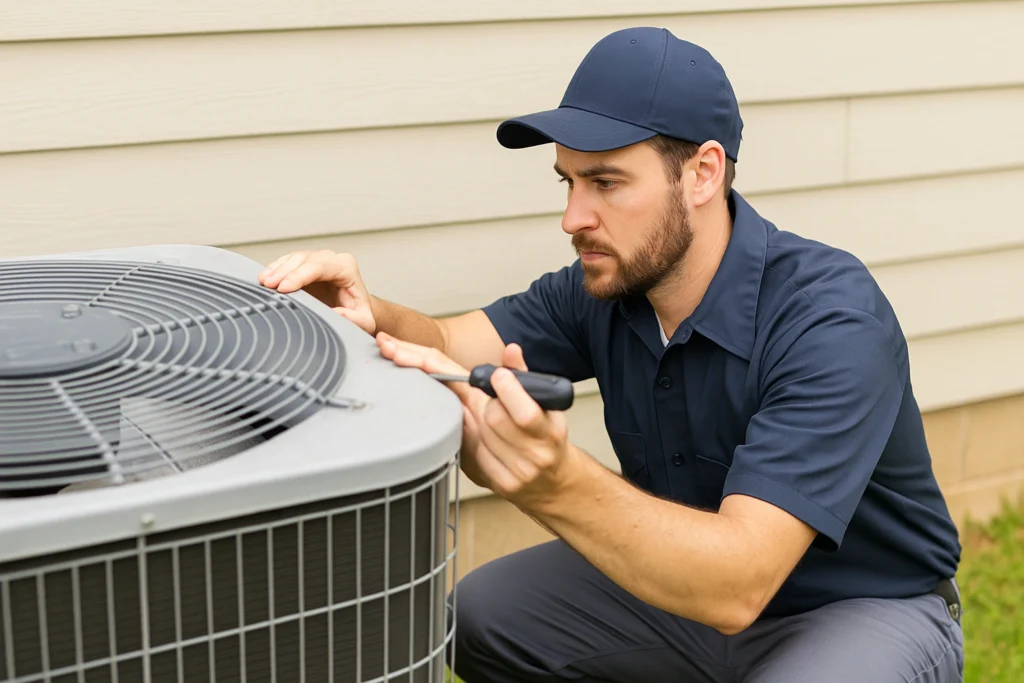
Heating, Ventilation, and Air Conditioning—better known as HVAC—may sound like technical jargon, but it's really just the system that makes your space comfortable. You depend on it every day. When it's working, you don't notice it. When it fails, everything feels wrong.
That's why HVAC services matter. They cover new system installation, repairs for old equipment, routine maintenance to prevent breakdowns, and inspections that keep energy use under control. Whether you own a home with a single unit or manage a building with several, understanding the scope of HVAC services helps you make better choices.
An HVAC system is more than heating and cooling. It's a network that controls temperature, airflow, and indoor air quality.
Heating comes from furnaces, boilers, or heat pumps. Air conditioners handle cooling. Ventilation pushes clean air through ducts and filters. Together, these pieces keep conditions balanced.
So, what do HVAC services include? You're really asking about a complete package—equipment, airflow, and comfort. Searching for "HVAC service near me" typically involves finding someone who can handle multiple areas, not just one.
Installation isn't just about placing a unit. It starts with sizing the system correctly, connecting ductwork, setting up thermostats, and checking for efficiency. Residential HVAC services often mean replacing a furnace or AC unit in a single home. Commercial installations involve multi-zone systems designed for large buildings.
Repairs don't follow a schedule. A furnace can stop on a cold night, or an air conditioner might quit in midsummer. Repair services cover these emergencies—fixing thermostats, refrigerant leaks, blower motors, and more. Calls often focus on heating system repair, AC repair, or heat pump troubleshooting.
Maintenance may not feel urgent, but it keeps systems running longer. A typical tune-up includes checking refrigerant, cleaning coils, tightening electrical parts, and lubricating moving components. Preventive care is simple but effective. Many homeowners use a yearly HVAC tune-up checklist to stay on track.
Comfort isn't only about temperature. Clean air matters too. Services include duct cleaning, filter replacements, and ventilation upgrades that help reduce dust and allergens. In colder areas, furnace inspection and cleaning are especially important for safety.
A maintenance visit usually checks several points at once. Filters are cleaned or replaced. Refrigerant levels are tested. Ducts are inspected for leaks. Thermostats and controls are calibrated. Furnaces and AC units get a full once-over.
This kind of preventive HVAC maintenance may feel routine, but it's the smaller checks—like replacing a clogged filter—that prevent bigger problems later. If you've wondered what is included in AC service, the list is usually more detailed than expected.
Residential services are built around single-family homes or small apartments. These systems are smaller and easier to manage. Commercial HVAC services deal with larger, more complex equipment—rooftop units, industrial ductwork, and systems designed to heat and cool entire floors.
Both serve the same purpose, but the scale, safety needs, and energy demand differ. That's why choosing the right contractor depends on your property type.
Once a year is the minimum; many contractors recommend servicing air conditioning in spring and heating in fall. This way, each system is ready for its season. If your HVAC runs daily or serves a commercial space, two visits a year may be smarter.
Annual HVAC service reduces the risk of unexpected breakdowns and helps keep bills steady. Waiting until something fails usually costs more.
HVAC work isn't DIY. Licensed contractors are trained to handle refrigerants, electrical wiring, and gas lines safely. They also follow building codes and manufacturer rules, which protect your system and warranty.
A licensed HVAC technician brings experience you can't match on your own. It's the difference between a quick fix that fails in weeks and a repair that holds for years.
Clean, tuned systems use less power.
Equipment lasts longer with steady care.
Small fixes prevent large repair bills.
Balanced systems keep air clean and temperatures stable.
Over time, regular service often saves more money than it costs.
HVAC services cover more than emergency repairs. They include installation, preventive maintenance, and improvements to air quality—all working together to keep your space safe and comfortable.
If you're searching for dependable HVAC services near you, contact HVAC Contractor Pro. Our team handles repair, installation, and maintenance for both homes and businesses.

Top Questions to Ask Before HVAC Installation in Harrisonburg Essential questions to ensure you get the right HVAC system for your home Installing a new HVAC system is not like…
Step-by-Step Guide to Choosing the Right Furnace for Your Lexington Home Expert advice for selecting the perfect heating system for your Kentucky home Most people don’t think about furnaces until…
Emergency Air Conditioning Repair in Dothan, AL What Homeowners Should Know When Your AC Fails Air conditioning is easy to take for granted. Cold air moves through the vents, and…

Disclaimer: HVACContractorPro.com is a free service to assist homeowners in connecting with local service providers. All contractors/providers are independent and HVACContractorPro.com does not warrant or guarantee any work performed. It is the responsibility of the homeowner to verify that the hired contractor furnishes the necessary license and insurance required for the work being performed. All persons depicted in a photo or video are actors or models and not contractors listed on HVACContractorPro.com.
©2025. HVAC Contractor Pro. All Rights Reserved.